Heating & AC FAQs | Midvale, UT
HVAC Frequently Asked Questions – Midvale Heating and Air Pros
We are your local Midvale Heating and Air Pros, and over the years we have answered a lot of questions from homeowners throughout Midvale, Sandy, Murray, Cottonwood Heights, West Jordan, and the surrounding Salt Lake Valley communities. Some questions come up constantly. Some come up seasonally, every fall when the first cold snap hits and homeowners discover their furnace did not survive the off-season, and every June when air conditioners that have not run since September suddenly need to cool a house during the first heat wave. We put this FAQ page together because we want Midvale homeowners to have straightforward, honest answers to the questions we hear most often, in plain language from the team that actually does the work.
We cover everything here: air conditioning repair and installation, furnace repair and installation, boiler service, ductless mini-split systems, emergency HVAC situations, and practical questions about scheduling and service area. If you have a question that is not answered here, we are happy to answer it directly. These questions represent years of real conversations with real Midvale homeowners, and we have tried to answer each one the same way we would if you were standing in your mechanical room asking us face to face.
Our primary service area covers Midvale and the communities throughout the central Salt Lake Valley including Sandy, Murray, Cottonwood Heights, West Jordan, South Jordan, and Taylorsville. We are a genuinely local team. We know the housing stock in these communities, we know the climate and what it does to HVAC equipment at our elevation, and we bring that direct local knowledge to every service call and installation project we take on.
General Heating and Air Conditioning Questions in Midvale
How often should I have my HVAC system serviced in Midvale?
Once a year for each system. Your air conditioning should be serviced each spring before the Midvale summer heat arrives. Your furnace or boiler should be serviced each fall before the heating season begins. Annual maintenance on both systems catches small problems before they become expensive failures, verifies safe operation, and keeps equipment running at peak efficiency. Midvale’s dry, dusty climate accelerates filter and coil fouling compared to more humid areas, which makes consistent maintenance even more important here.
How long do HVAC systems typically last in the Salt Lake Valley?
Central air conditioning systems generally last 15 to 20 years in our climate. Gas furnaces typically perform well for 18 to 25 years. Cast-iron boilers are famously long-lived at 30 to 40 years with proper maintenance. Modern condensing boilers and heat pumps typically last 20 to 25 years. Ductless mini-split systems generally provide reliable service for 15 to 20 years. The biggest factors affecting longevity are installation quality and consistent annual maintenance.
Why are my energy bills suddenly much higher than usual?
A significant increase in heating or cooling costs almost always indicates a system running outside its efficient operating range. Common causes include low refrigerant charge in a cooling system, dirty evaporator or condenser coils reducing heat transfer efficiency, a failing compressor working harder than it should, ductwork leaks allowing conditioned air to escape into unconditioned spaces, or a heat exchanger problem in a furnace causing incomplete combustion. A diagnostic visit typically identifies the cause quickly.
What temperature should I set my thermostat at in Midvale winters and summers?
There is no universal right answer, but most Salt Lake Valley homeowners find 68 to 70 degrees a comfortable winter setting and 74 to 76 degrees a comfortable summer setting. Setting the thermostat back by several degrees during sleeping hours and work hours reduces heating and cooling costs without a significant comfort tradeoff. Modern programmable and smart thermostats automate this schedule once you set it up.
Should I close HVAC vents in rooms I do not use?
No. This is a common misconception. Closing supply vents does not save energy. It increases static pressure in the duct system, which forces the air handler to work harder and can cause ductwork to leak more and the system to overheat or freeze up. It can also cause pressure imbalances that affect comfort in adjacent rooms. Run your system with all vents open and let the thermostat manage the temperature.
Air Conditioning Repair and Installation FAQs in Midvale
Why is my air conditioner running but not cooling the house?
The most common causes in Midvale homes are low refrigerant charge due to a leak, a dirty evaporator coil blocking heat transfer, a failing compressor that is not pressurizing the refrigerant circuit adequately, or a faulty refrigerant metering device. Cottonwood season in late May and June also packs outdoor condenser coils quickly in this valley, which reduces efficiency significantly. A thorough diagnostic visit will identify the specific cause and the correct repair.
My AC keeps turning on and off every few minutes. Is that normal?
No. That is called short-cycling and it indicates a problem. Common causes include a refrigerant system issue, an overheating outdoor unit due to restricted airflow or extreme ambient temperatures, a failing capacitor, or a system that was never correctly sized for the home. Short-cycling accelerates wear on the compressor and other components, so it should be diagnosed and corrected promptly.
How do I know if my AC is low on refrigerant?
Signs of low refrigerant include the system running continuously without reaching the set temperature, ice forming on the refrigerant lines or outdoor unit, reduced airflow from supply registers, and higher-than-normal utility bills. Refrigerant does not deplete through normal use, so low refrigerant always means there is a leak that must be found and repaired. Simply adding refrigerant without addressing the leak is a temporary measure that will repeat itself.
Is it worth repairing my aging air conditioner or should I replace it?
This depends on the system’s age, the nature of the failure, and the overall condition of the equipment. If your system is under ten years old and the repair is straightforward, repair is almost always the right choice. If the system is 15 or more years old and the compressor has failed or the system uses R-22 refrigerant that is no longer manufactured, replacement is worth serious consideration. We give honest, direct assessments based on what we actually find.
How long does a central AC installation take?
A standard replacement installation in a Midvale home typically takes four to eight hours for our crew. Projects involving ductwork modifications, electrical panel upgrades, or replacing equipment in difficult-access locations may require additional time. We provide a realistic time expectation before every installation begins.
What is the best cooling option for a Midvale home without ductwork?
A ductless mini-split system is almost always the best answer for spaces without existing ductwork. Single-zone and multi-zone ductless systems deliver efficient, precise cooling and heating without the construction expense and disruption of adding a full duct system. They are ideal for room additions, finished basements, detached garages, and older Midvale homes that were built before central air was standard.
Furnace and Heating Repair and Installation FAQs in Midvale
Why does my furnace keep shutting off right after it starts?
A furnace that ignites briefly and then shuts down is usually experiencing a flame sensor failure, a heat exchanger problem triggering a safety lockout, or an airflow restriction causing the limit switch to trip. All three of these conditions require professional diagnosis. Running a system that is repeatedly locking out accelerates wear on the igniter and control board.
What does a cracked heat exchanger mean for my family?
A cracked heat exchanger allows combustion gases, which include carbon monoxide, to enter the home’s air supply. Carbon monoxide has no color or smell, so you will not detect it without a working CO detector. A cracked heat exchanger cannot be diagnosed reliably without professional inspection using proper technique and equipment. If your CO detector triggers near the furnace, evacuate immediately and call 911.
How long should a new furnace last in Midvale?
A properly installed and maintained gas furnace typically performs reliably for 18 to 25 years in our climate. Installation quality and consistent annual maintenance are the two most important factors. A furnace that was incorrectly sized or installed without proper commissioning will underperform and may have a shortened service life even with regular maintenance.
What is the difference between a standard furnace and a high-efficiency condensing furnace?
A standard furnace has an AFUE of around 80 percent, meaning 20 percent of the gas burned exits as heat through the flue. A high-efficiency condensing furnace has an AFUE of 95 percent or higher, extracting so much heat from combustion gases that the exhaust condenses to liquid rather than hot gas. The efficiency difference translates directly to lower gas bills each winter. In Midvale’s long heating season, that gap adds up to real savings over the system’s lifetime.
If you smell gas or suspect a gas leak, go outside immediately and call 911 – this is a serious emergency that needs urgent attention from the gas company.
Should I repair or replace my 20-year-old furnace?
A 20-year-old furnace is at or near the end of its typical service life. If it requires a significant repair such as a heat exchanger replacement, a new gas valve, or a control board, replacement is usually the more practical choice because you are investing substantial money in a system that may have only a few years of service life remaining. For minor repairs on an otherwise functional system, repair may still make sense. We evaluate the specific situation honestly and help you make the right decision.
Boiler Repair and Installation FAQs in Midvale
Why is my boiler making a loud banging noise?
Banging or kettling sounds in a boiler are almost always caused by scale buildup on the heat exchanger surfaces. This creates localized overheating and steam flashing that sounds like a kettling or rumbling noise. The solution involves professional cleaning or descaling of the heat exchanger and potentially adding a system inhibitor to prevent future scale formation. Ignoring this issue accelerates heat exchanger wear and reduces efficiency.
Some of my rooms are cold even though the boiler is running. Why?
Cold zones in a functioning boiler system usually result from a stuck zone valve that is failing to open, air trapped in the piping of that circuit, a failed zone valve actuator, or a circulator issue. Zone valve problems are common in older Midvale homes with hydronic systems that have been in service for many years. We trace the specific cause systematically and repair it without disturbing zones that are heating correctly.
How long do boilers last in Salt Lake Valley homes?
Cast-iron boilers found in many older Midvale homes are exceptionally durable and can remain in service for 30 to 40 years with proper maintenance. Steel boilers and modern condensing boilers typically last 20 to 25 years. Annual professional service is the single most important factor in achieving maximum service life from any boiler system.
My pressure relief valve keeps discharging. Is that dangerous?
Yes. A pressure relief valve that repeatedly discharges is telling you the system pressure is exceeding its safe operating range. This usually indicates a waterlogged expansion tank, a malfunctioning automatic fill valve, or a different pressure control issue. Operating the system in this condition without diagnosing the underlying cause is not safe. Contact us for a diagnostic visit to identify and correct the pressure problem.
Can I add radiant floor heating zones to my existing Midvale home?
In many cases yes, depending on the capacity of your existing boiler and the nature of the renovation. Adding radiant floor zones to a specific room or wing of a Midvale home is a project we handle as part of boiler and hydronic system work. Contact us to discuss the specifics of your situation and what would be involved.
Ductless AC and Mini-Split Repair and Installation FAQs in Midvale
What is a ductless mini-split and is it right for my Midvale home?
A ductless mini-split consists of one or more indoor air handlers mounted directly in the conditioned space, connected to an outdoor compressor unit by refrigerant lines and wiring through a small wall penetration. No ductwork is needed. These systems provide both heating and cooling, operate at high efficiency, and allow zone-by-zone temperature control. They are ideal for Midvale homes without existing ductwork, for room additions, finished basements, detached garages, and condominiums.
Why is my ductless mini-split not cooling the room adequately?
Insufficient cooling from a ductless system is usually caused by a dirty air filter restricting airflow through the indoor unit, a refrigerant leak reducing system capacity, a coil icing condition, or a system that was incorrectly sized for the space when originally installed. Error codes displayed on the indoor unit provide diagnostic information that helps narrow down the cause. Contact us to schedule a diagnostic visit.
Water is dripping from my indoor ductless unit. What should I do?
Condensate dripping from an indoor air handler usually means the condensate drain line is clogged or the drain is not sloped correctly to carry water away from the unit. It can also result from a frozen indoor coil melting faster than the drain can handle. Shut the system off and contact us to prevent water damage from continuing.
Can ductless mini-splits handle Midvale winters effectively?
Modern ductless heat pump systems, including cold-climate models, operate effectively as heating systems even at low outdoor temperatures. For mild to moderately cold Midvale days, a properly sized ductless system provides efficient heat. In the coldest stretches of our valley winters, some systems benefit from supplemental heat. We help you select equipment rated for our specific climate conditions.
How often do ductless mini-split filters need to be cleaned?
The washable filters in most ductless indoor units should be cleaned monthly during periods of heavy use. In Midvale’s dusty summer conditions, checking them every two to three weeks during peak cooling season is a good practice. A clogged filter is the most common cause of reduced performance and eventual coil icing in ductless systems.
Emergency HVAC Repair FAQs in Midvale
My furnace stopped working at night in cold weather. What should I check before calling?
Check the thermostat first: verify it is set to Heat and the temperature setting is above the current room temperature, and replace the batteries if you are unsure of their age. Check the furnace power switch, which looks like a light switch on the wall near the unit. Check the circuit breaker for the furnace in your electrical panel. If all of these are fine and the furnace still will not run, call us immediately. Do not attempt to open the furnace cabinet or investigate gas components yourself.
What is a true HVAC emergency vs a situation that can wait until morning?
A true emergency involves a safety risk or conditions becoming dangerous. No heat with outdoor temperatures below freezing, no cooling during extreme heat affecting vulnerable residents, CO detector alarms, burning smells from equipment, active water damage from HVAC components, or unusually loud mechanical sounds indicating imminent failure are all genuine emergencies. A system that is running but slightly underperforming is urgent but can usually wait for a next-day appointment.
Can I find emergency HVAC service near me in the Midvale area tonight?
Yes. Midvale Heating and Air Pros provides emergency service to Midvale and the surrounding Salt Lake Valley communities. Call us directly for the fastest response, and tell us the nature of the situation so we can prioritize appropriately.
Is it safe to use my fireplace if my furnace is broken?
A properly maintained and vented fireplace can provide supplemental warmth while waiting for furnace repair. Make sure the damper is open, never leave a fire unattended, and do not use a fireplace as a primary heat source for an extended period. Space heaters are another option for maintaining livable temperatures in specific rooms while awaiting emergency furnace service.
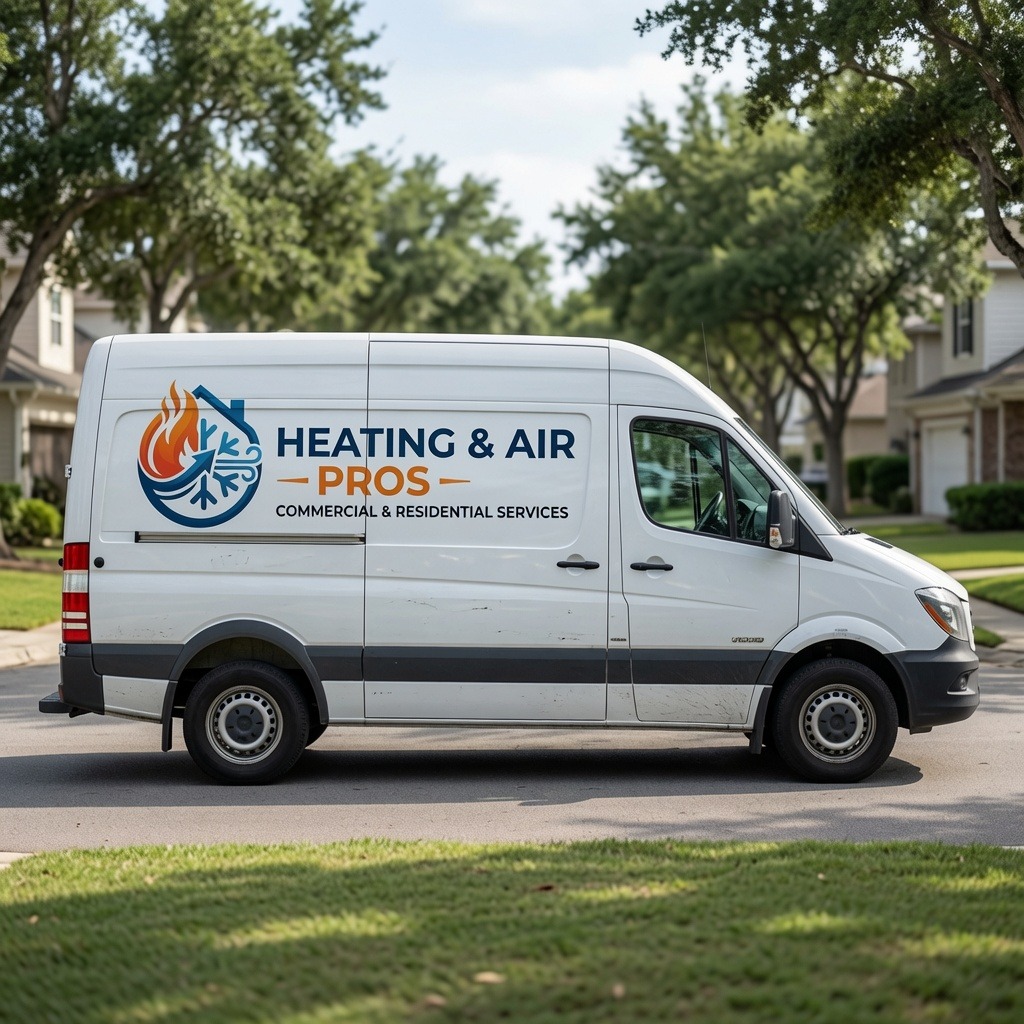
Service Area and Scheduling Questions for Midvale
What areas do you serve beyond Midvale?
Our primary service area covers the central Salt Lake Valley including Midvale, Sandy, Murray, Cottonwood Heights, West Jordan, South Jordan, and Taylorsville. We also serve Salt Lake City neighborhoods adjacent to the Midvale area and other nearby communities throughout the valley. If you are not sure whether we cover your location, contact us and we will confirm.
How quickly can you schedule a non-emergency HVAC service call in Midvale?
In most cases we can schedule non-emergency service within one to three business days. During peak season, particularly the first major heat wave of summer and the first serious cold snap of fall when call volume increases significantly, lead times may extend. We recommend scheduling furnace and AC tune-ups well in advance of the season rather than waiting until the system is already struggling.
Do you work on both residential and commercial HVAC systems in Midvale?
Our primary focus is residential HVAC service for homeowners throughout Midvale and the Salt Lake Valley. Contact us with details about your commercial situation and we will let you know what we can do.
What should I have ready when I call to schedule a service visit?
It helps to have the make, model, and approximate age of the equipment you need serviced. A description of the symptoms you are experiencing, when they started, and any sounds, smells, or error codes you have noticed will help us prepare appropriately. For emergency calls, the most important thing is to call us immediately and describe the situation clearly.
Why Midvale Homeowners Keep Coming Back to Midvale Heating and Air Pros
We are your local Midvale Heating and Air Pros, and everything we do is built around earning and keeping the trust of Midvale homeowners and families throughout the Salt Lake Valley. We do not operate a call center. We do not subcontract to whoever is available. We staff our own experienced technicians who work in this valley every day and know these homes, this climate, and this community. When you call us, you are talking to people who live and work right here alongside you.
We diagnose honestly. We repair correctly. We communicate clearly. We show up when we say we will. We treat every home we enter with the same respect we would want shown to our own. And when a situation requires honesty that might not be what the homeowner was hoping to hear, we tell the truth anyway, because a relationship built on honest service lasts and one built on telling people what they want to hear does not.
From routine seasonal maintenance to emergency calls in the worst weather of a Utah winter or summer, we bring the same level of care and professionalism to every job. Midvale homeowners who call us once tend to call us again, and that repeat trust is the measure we care about most.
Contact us today and experience what a truly local HVAC team can do for your home.
Zip codes we serve: 84047, 84070, 84094, 84084, 84088, 84121, 84107, 84095, 84123, 84106
Heating & Air Conditioning Services
Complete Home Comfort Solutions for Your Property
From heating system repairs to air conditioning maintenance and installations, our team has the tools and expertise to keep your home or business comfortable year-round. We deliver reliable, high-quality HVAC service you can count on.
We Deliver Expert Results
Don’t settle for temporary fixes. We combine years of hands-on experience with modern technology to deliver long-lasting heating and cooling solutions. Our team values your time, your comfort, and your property.
- Heating System Repair & Maintenance
- Furnace Repair & Installation
- Air Conditioning Services
- AC Repair & Tune-Ups
- HVAC Diagnostics & System Checks
- Indoor Comfort Solutions